
Home Health vs. In-Home Care: What’s the Difference?
Home health and in-home care are different services that support patients in aging healthily at home. Home health focuses on medical needs, while in-home care assists with daily living activities. Understanding these differences helps patients receive the right support for their health and independence at home.
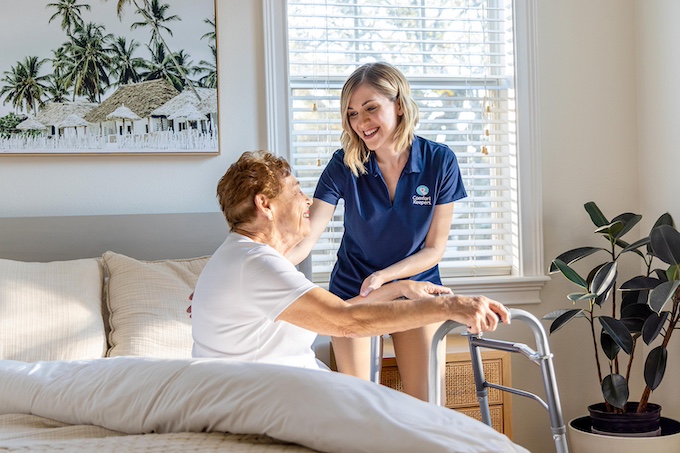
When supporting patients who wish to age comfortably at home, distinguishing between home health and in-home care can be key to effective patient support. These terms are sometimes used interchangeably, but each service addresses different needs in patient care. Let’s clarify the distinction, as understanding these differences can help guide patients and families to the right kind of support for their circumstances.
What Is Home Health?
Home health involves medical care provided in the patient's home by licensed professionals, such as nurses, physical therapists, or occupational therapists, and is typically prescribed by a physician.
Examples of home health services include:
- Wound care for pressure sores or a surgical wound
- Patient and caregiver education
- Intravenous or nutritional therapy
- Injections
- Monitoring serious illness and unstable health status
When Can Home Health Care Offer Support?
Home health care is often used during times when medical support is needed at home in the short-term. Some common situations where home health care might be used include:
Recovery after surgery: After procedures such as hip or knee replacements or heart surgery, home health care can support healing with wound care, pain management, and regular check-ins as recovery progresses.
Managing ongoing health conditions: For individuals living with chronic conditions like diabetes, COPD, or heart failure, home health care can help with monitoring, education, and ongoing medical support. In some cases, it may also support individuals experiencing memory-related conditions.
Recovering from an illness: Home health care may be helpful when recovering from infections such as pneumonia or a urinary tract infection, after the flu, or following a stroke, when extra medical attention is needed during healing.
Rehabilitation and therapy: Physical, occupational, or speech therapy can take place at home to help individuals rebuild strength, mobility, and confidence after a fall, injury, or illness.
Support with medications: When medication routines become more complex, especially after a change in prescriptions, home health care can assist with monitoring side effects and ensuring medications are taken as directed.
Home health focuses on supporting patients in recovering from illness or surgery, managing medical conditions, and preventing hospital readmissions, all in the comfort of their homes.
What Is In-Home Care?
In-home care, on the other hand, is non-medical support provided by trained caregivers to assist individuals with activities of daily living (ADLs).
This type of care can be short-term (such as during recovery from surgery) or long-term for older adults who need continued assistance.
Examples of in-home care services include:
- Assistance with bathing, dressing, and grooming
- Meal preparation
- Light housekeeping
- Companionship
In-home care is especially beneficial for individuals who need support with daily activities but do not require medical intervention. The goal is to enhance quality of life by addressing personal and emotional needs while promoting independence.
When In-Home Care Can Offer Support?
In-home care can be especially helpful when daily tasks or routines begin to feel more challenging. It focuses on practical support, companionship, and helping individuals remain comfortable and independent at home. Some common situations include:
Changes in physical ability: When everyday activities like bathing, dressing, grooming, or moving around the home become more difficult, in-home care can provide gentle assistance while helping reduce the risk of falls.
Memory or cognitive changes: Increased forgetfulness, confusion, or wandering can make daily life more stressful for both seniors and families. In-home care offers reassurance, structure, and a familiar presence at home.
Support after a hospital stay: After surgery or illness, short-term in-home care can help with daily routines, medication reminders, and light household tasks as recovery continues.
Home safety and daily upkeep: Signs like missed meals, unpaid bills, clutter, or changes in personal hygiene may indicate that extra support would be helpful. In-home care can help keep routines on track and the home environment safe and comfortable.
When family caregivers need support: If caregiving responsibilities begin to feel overwhelming or difficult to balance, in-home care can offer relief, helping families share responsibilities while staying connected.
Companionship and social connection: In-home care provides meaningful conversation, shared activities, and companionship, which can help reduce feelings of loneliness and support emotional well-being.
Home Health vs. Home Care: How to Choose the Right Option
Research suggests that some medical professionals may not always draw a clear line between home health and in-home care, yet understanding these distinctions can help patients receive the right type of support.
Home health is ideal for those needing medical care at home, whereas in-home care focuses on enhancing day-to-day living for those who value independence but need extra help.
Care That Helps You Stay at Home Longer
For many seniors and those with chronic health conditions, aging at home is an important aspect of maintaining their quality of life and independence. Advances in telemedicine and remote health monitoring have made it easier to integrate a mix of home health and in-home care services.
This personalized approach not only offers a convenient care experience but also helps patients stay in control of their health journey.
Why Health Care Professionals Trust Comfort Keepers® for In-Home Care
Comfort Keepers works alongside health care professionals to extend care into the home and support better patient outcomes. Our Interactive Caregiving™ approach focuses on the whole person, while caregivers reinforce care plans, monitor changes, and help reduce readmissions. With a personalized, collaborative approach, we help patients remain safe, independent, and supported at home.
If you know a patient or family who could benefit from Comfort Keepers’ services, we invite you to reach out for a free consultation. Together, we can help seniors age comfortably, confidently, and supported at home.
Resources:
ForbesHEALTH: What Is Home Health Care And How Does It Work?
Medicare.gov: Home health services
NIH: Services for Older Adults Living at Home
NIH: Aging in Place: Growing Older at Home
USC Schol of Gerontology: The Value of Aging in Place
Sign up to receive helpful info right to your inbox.
We understand choosing an in-home care provider can be a difficult decision, and we want to make your journey as easy as possible. We're here to support you by providing helpful senior care tips and information on in-home care and senior health and wellbeing topics.
Start a Job with a Purpose
Uplifting training and support for you every step of the way.
Apply to be a caregiver